1769954023743
Jammu and Kashmir Drug crisis: Battling a growing social Menace”
- Featured J&K
Gazetteer News
- 0
- 4 minutes read

MASROOR AHMAD TEELI
Email:telimasroor50@gmail.com R/O:Kulgam
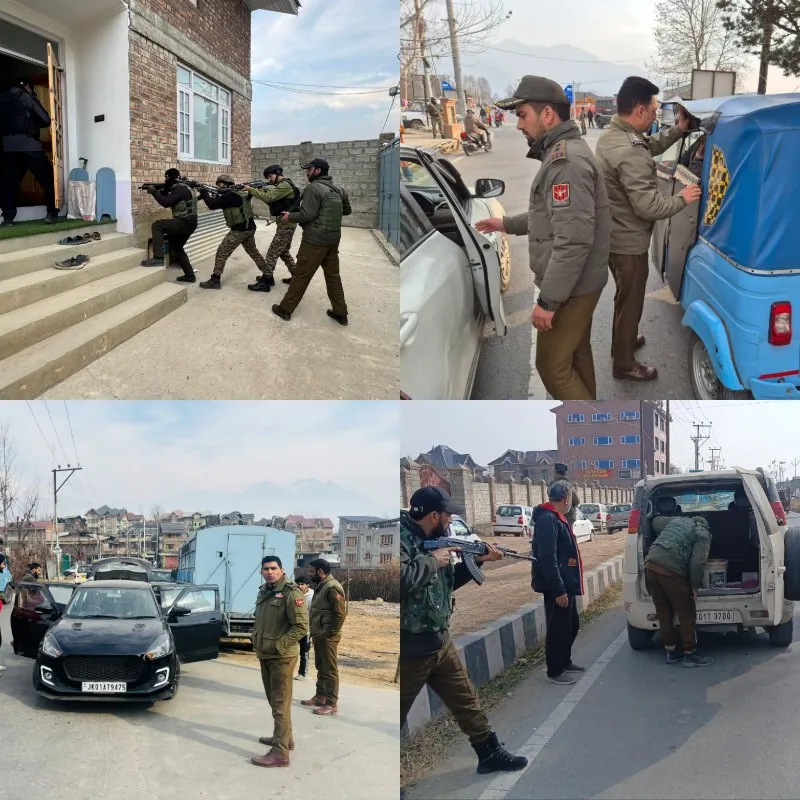
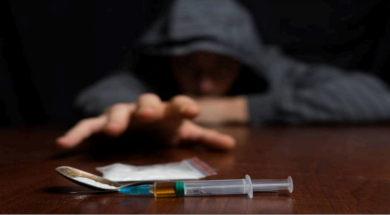
Kashmir’s Silent Emergency: Confronting the Drug Addiction Crisis jammu and Kashmir is facing a silent yet devastating emergency—one that is eroding its social fabric and threatening an entire generation. Drug addiction, once considered a fringe problem, has now grown into a full-blown public health and social crisis. The alarming scale of substance abuse across age groups, particularly among youth and minors, demands urgent and collective action.Recent government and international reports paint a grim picture. An estimated 13.5 lakh individuals in Jammu and Kashmir are affected by drug use, including nearly 1.7 lakh children between the ages of 10 and 17. Even more disturbing is the reported 1500 percent surge in drug consumption over the past three years. These numbers are not mere statistics; they represent broken families, lost potential, and a future placed at serious risk.What is particularly worrying is the shifting pattern of drug use. Medical professionals in Srinagar report a dangerous transition from prescription opioids to intravenous heroin—an escalation that has severe health consequences. The high prevalence of Hepatitis C among users due to needle sharing underscores the gravity of the situation and exposes gaps in both awareness and healthcare outreach.The social fallout is equally severe. Addiction has become closely linked with rising crime, as users resort to theft, burglary, and even violent acts to sustain their dependency. Families bear the brunt—emotionally, socially, and financially—often watching helplessly as relationships fracture under the weight of addiction.Despite the enormity of the crisis, Jammu and Kashmir’s treatment and rehabilitation infrastructure remains grossly inadequate. With only two major public de-addiction centers in Srinagar and limited outpatient facilities in district hospitals, the system is overwhelmed. Hundreds seek help daily, yet many are turned away due to lack of capacity, specialists, and long-term rehabilitation support.Law enforcement initiatives like the Jammu and Kashmir Police’s Mission “Clean Up” are commendable and necessary, but policing alone cannot solve what is fundamentally a social and health crisis. Drug addiction thrives where despair, unemployment, stress, and social neglect intersect. Addressing these root causes is just as important as dismantling trafficking networks.The path forward must be comprehensive. The government must invest in large-scale, well-equipped de-addiction and rehabilitation centers across the region. Parents need to foster open, supportive environments rather than impose unrealistic expectations that push youth toward escape through substances. Communities, civil society, religious leaders, and educators must unite to break the stigma around addiction and encourage treatment instead of silence.Kashmir has endured decades of turmoil, yet its people have repeatedly demonstrated resilience and strength. The fight against drug addiction is another test—one that cannot be postponed or ignored. This is not merely a battle against narcotics; it is a fight for Kashmir’s youth, its families, and its future.A drug-free Kashmir is not an idealistic slogan—it is an urgent necessity. The time to act is now.